'/%3E%3C/svg%3E)

'/%3E%3Cpath%20fill='%23b2b2b2'%20d='M241%20382q0%2016%2017%2026%2017%2011%2042%2011t42-11q16-11%2017-26V269H241'/%3E%3Cpath%20fill='%239f7e00'%20d='M241%20379q0%2014%208%2023%209%209%2021%209%2014%200%2021-9%209-9%209-23V269h-59'/%3E%3Cpath%20d='M241%20339v-70h59v110q0%2014-9%2023l-6%205v-68h-15v72q-8%200-14-4v-68zm59%2040c0%2022%2015%2032%2029%2032%2021%200%2030-18%2030-32v-40h-59'/%3E%3Cpath%20fill='%239f7e00'%20d='M266%20277v5h2v12h-3v-5h2v-5h-9v5h2v5h-4v9h3v18h-5v10h34v-10h-5v-18h3v-9h-4v-5h2v-5h-9v5h2v5h-3v-12h2v-5zm42%20101q0%2010%206%2017%206%206%2015%207%2010-1%2016-7%206-7%206-17v-29h-43'/%3E%3Ccircle%20fill='%230044ad'%20cx='329.5'%20cy='372'%20r='6'/%3E%3Cellipse%20fill='%230044ad'%20cx='300'%20cy='340'%20rx='16'%20ry='21'/%3E%3C/svg%3E)


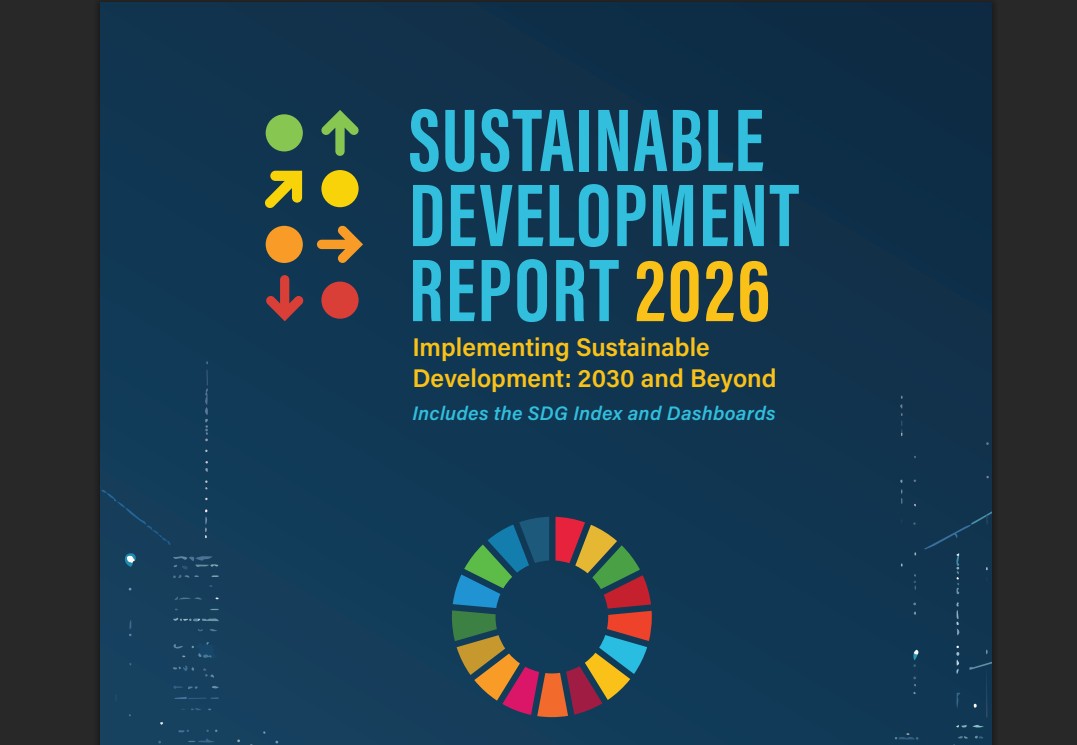
On 23 June, the 11th Sustainable Development Report (SDR) 2026 was presented. This authoritative annual study is dedicated to monitoring the United Nations’ Sustainable Development Goals (SDGs). The picture painted this year is inevitably complex, hampered by severe international geopolitical tensions that are slowing progress towards the 2030 Agenda. To reverse this trend, the report suggests a number of global strategic priorities, including reforming the international financial architecture to support low-income countries, strengthening sustainable and resilient food systems, investing heavily in quality education, and accelerating the transition to a clean and affordable energy system.
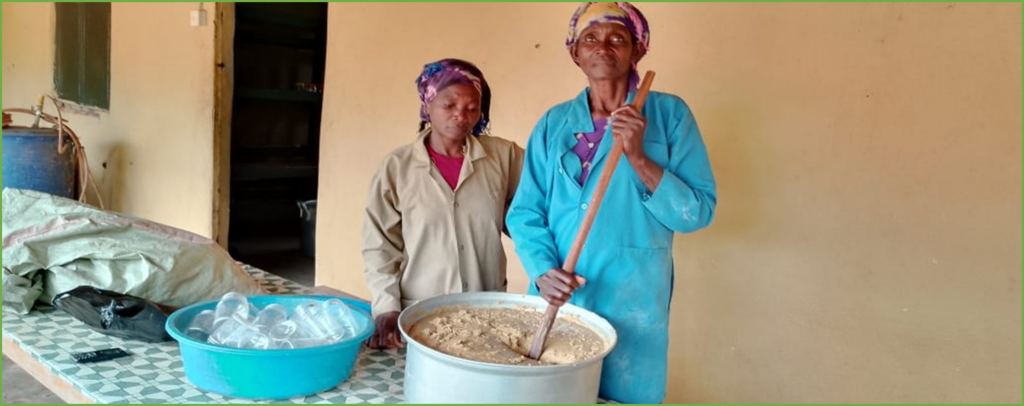
The situation in South SudanUnfortunately, these global priorities clash with the difficult reality in South Sudan. The report’s data places South Sudan among the lowest-ranked countries on the global index due to serious structural challenges closely linked to the following priorities:
The data from the 2026 report confirm that, to unlock the country’s future, internal financial reforms are now urgently needed, but above all, solid and concrete international support is required. It is not merely a question of meeting targets, but of providing concrete solutions for millions of people: only by joining forces and investing boldly in strengthening communities and human rights can we transform these challenges into a real hope for peace and development in South Sudan.
|
Date Published:06 July 2026 Author:Alice, Officer Article Tags: Latest news, South Sudan, Solidarity, Sustainable Development Goals, Sustainable Development Report 2026 |