'/%3E%3C/svg%3E)

'/%3E%3Cpath%20fill='%23b2b2b2'%20d='M241%20382q0%2016%2017%2026%2017%2011%2042%2011t42-11q16-11%2017-26V269H241'/%3E%3Cpath%20fill='%239f7e00'%20d='M241%20379q0%2014%208%2023%209%209%2021%209%2014%200%2021-9%209-9%209-23V269h-59'/%3E%3Cpath%20d='M241%20339v-70h59v110q0%2014-9%2023l-6%205v-68h-15v72q-8%200-14-4v-68zm59%2040c0%2022%2015%2032%2029%2032%2021%200%2030-18%2030-32v-40h-59'/%3E%3Cpath%20fill='%239f7e00'%20d='M266%20277v5h2v12h-3v-5h2v-5h-9v5h2v5h-4v9h3v18h-5v10h34v-10h-5v-18h3v-9h-4v-5h2v-5h-9v5h2v5h-3v-12h2v-5zm42%20101q0%2010%206%2017%206%206%2015%207%2010-1%2016-7%206-7%206-17v-29h-43'/%3E%3Ccircle%20fill='%230044ad'%20cx='329.5'%20cy='372'%20r='6'/%3E%3Cellipse%20fill='%230044ad'%20cx='300'%20cy='340'%20rx='16'%20ry='21'/%3E%3C/svg%3E)


| South Sudan enters 2026 with a scenario that, unfortunately, shows no signs of improvement, marking a further deterioration compared to previous years. According to the recent Humanitarian Needs and Response Plan 2026, the crisis has reached dramatic proportions, with approximately 10 million people — two-thirds of the entire population — in need of humanitarian assistance. The war in neighbouring Sudan has caused hundreds of thousands of people (refugees and returnees) to pour across the border, overwhelming an already collapsing system. Catastrophic floods, now a recurring phenomenon, have destroyed crops and livestock for several consecutive years, making economic recovery extremely difficult for the affected communities. Basic necessities are now inaccessible to many families due to hyperinflation. “The resilience of the population has been eroded by years of violence and disasters. Today, we are no longer talking only about poverty, but about a daily struggle for survival.” (OCHA – Humanitarian Needs and Response Plan 2026 -January 2026)
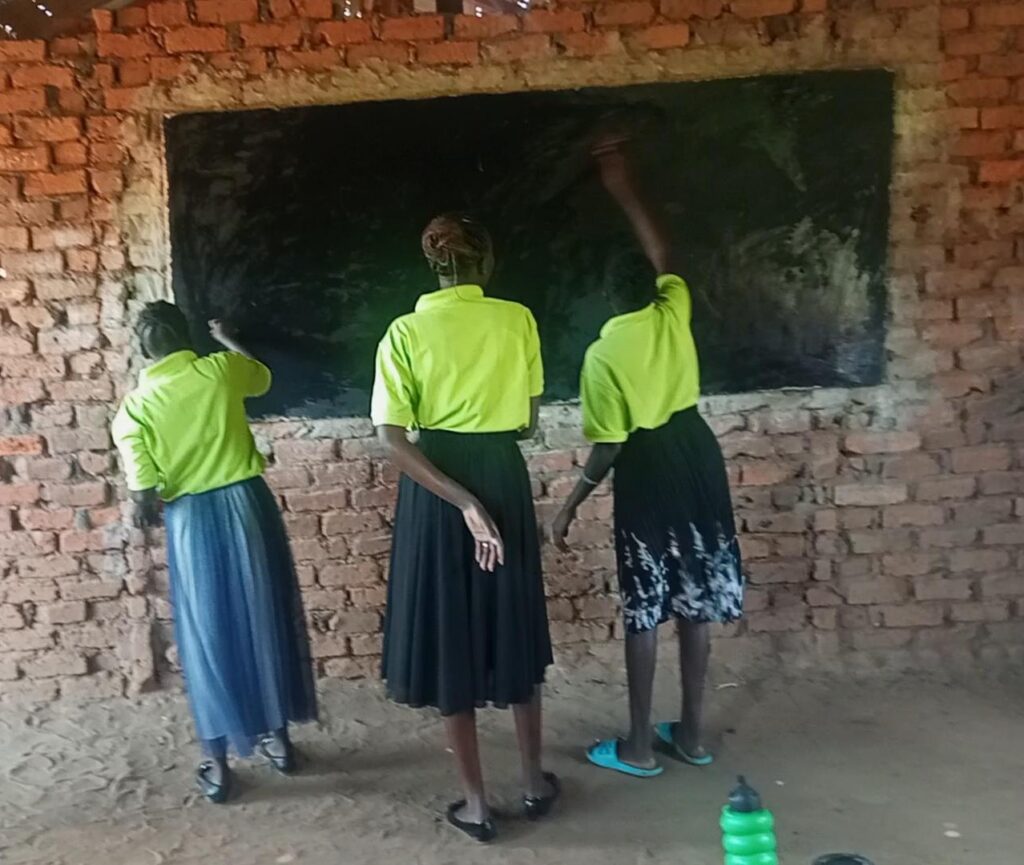
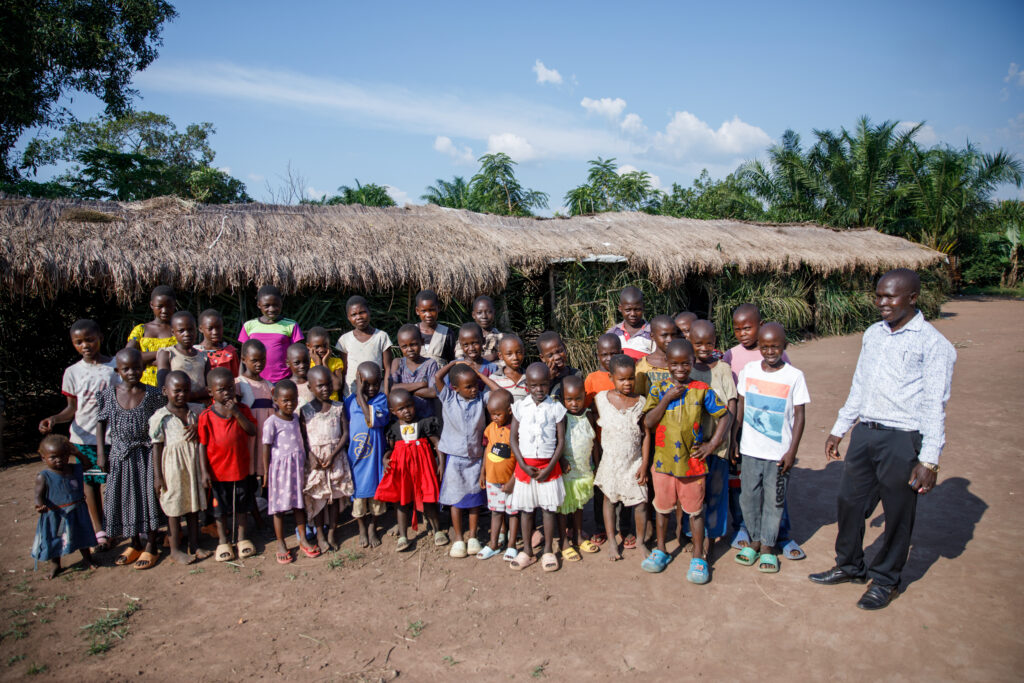
The situation of children is particularly alarming: about one-third of them cannot attend school, compromising the future of an entire generation. Conflict in Upper Nile State has caused the closure of over 200 schools, while severe flooding has disrupted learning in another 100 institutions, affecting nearly 30,000 students and increasing the risk of exploitation and early marriage. Healthcare is also in a state of extreme fragility: it is estimated that only 44% of the population has reliable access to primary care and that 18% of healthcare facilities are not operational. The country is battling the largest cholera epidemic in its history, with over 96,000 cases recorded, in a context where malaria remains the leading cause of death and 60% of clinics lack the capacity to manage obstetric and neonatal emergencies. There is approximately 1 doctor for every 65,574 people and 1 midwife for every 39,088 inhabitants. The country has approximately 7.6 qualified health workers per 10,000 people, a figure far below the minimum threshold of 44.5 recommended by the WHO to ensure universal health coverage. It is therefore essential that the international community maintains and strengthens its commitment, not only to provide immediate life-saving aid, but also to support long-term solutions that promote resilience, peace and self-sufficiency in local communities. Only through constant solidarity and coordinated action will it be possible to prevent millions of people from being left behind, transforming hope into concrete action for a more stable and dignified future. Join Solidarity in supporting South Sudan |
Date Published:28 January 2026 Author:Alice, officer Article Tags: Latest news, South Sudan, Solidarity, Humanitarian crisis, Contribute |