| We share with pleasure and gratitude an interview with Father Jim Greene, outgoing Executive Director of Solidarity with South Sudan. His years of dedication and leadership have left a lasting impact on communities across the country. Thanks to our US partner Friends in Solidarity for this interview.
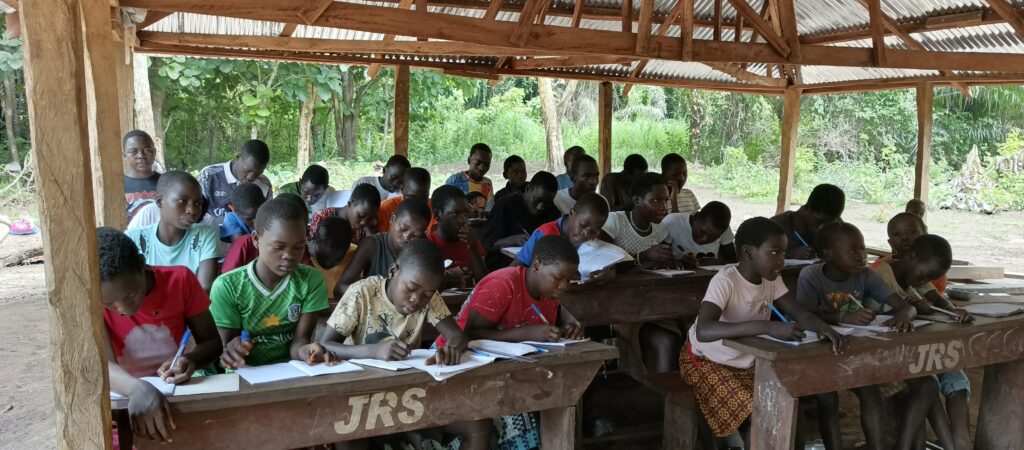
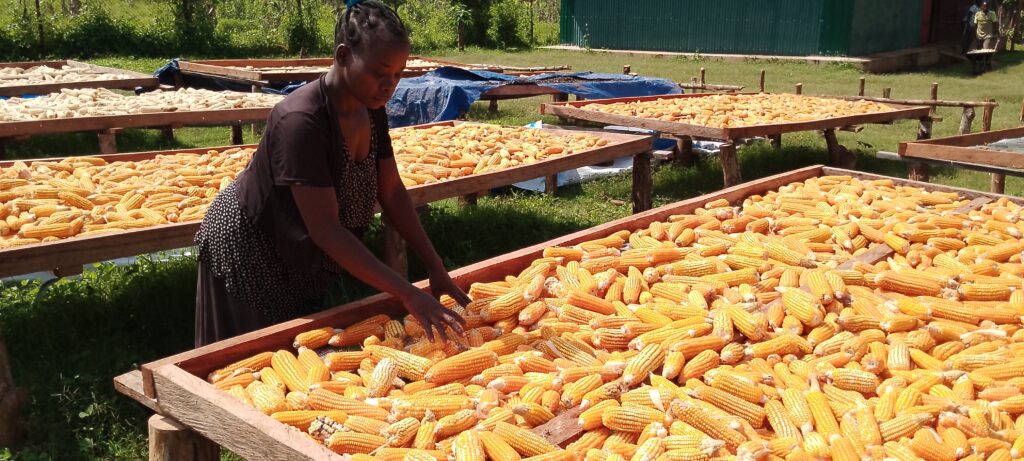
What inspired you to begin your journey with Solidarity with South Sudan? I was in Rome when Solidarity with South Sudan was set up between 2005 and 2008. There was great excitement and energy among many congregations at the time about this new form of response to the needs of South Sudan, especially about working together intercongregationally. Years later, when I was in Jerusalem, I heard they were looking for an Executive Director. I felt the call to move to the periphery. At the time, I was also listening to the hymn *The Summons* with the line, “Will you come and follow me, if I but call your name!” I really felt that this was a call for me, and for the first time in my life, I asked my Superior General for permission to follow something other than what my Institute was proposing. He readily agreed! What progress or milestones are you most proud of? Working in South Sudan and in a project like Solidarity is unique in my experience, and it does not allow for comparisons with previous experiences. I was very proud to work alongside many idealistic religious, both women and men, who were able to leave behind the comforts and security of their own countries and work in newly established projects. I am proud that we managed to set up a dedicated pastoral team that serves all the dioceses in the country and promotes women’s empowerment and trauma healing, along with the more traditional and still very needed workshops for catechists and other church workers. I am also proud that we made various projects structurally stronger by setting up policies and practices that respect our mission and vision. I have seen more local South Sudanese take greater roles in running our Teacher Training College, our Nurses Training Institute, and in the development of our Sustainable Agriculture project. This is a source of joy to see this development. What lessons were most profound during your time as Executive Director? South Sudan is often described as an insecure country. I never personally experienced the threat of physical violence while here, but daily, I am aware of many people who have suffered the terrible effects of violence, trauma, and separation from loved ones due to past and sometimes present conflicts. This affects everyone, and it will take generations before the violence and destruction of the past can be fully addressed. There is a great need for long-term commitment to the people and to the local church. Projects are sometimes measured in terms of outputs and indicators, but there is also a need to patiently accompany the survivors of conflict in a country that is struggling on many fundamental fronts to stand on its own feet. What advice or hopes do you have for your successor and the future of Solidarity with South Sudan/Friends in Solidarity? There is great energy among congregations to participate in this collective mission in a country that is so much in need of solidarity from more established churches and religious bodies. It is a privilege to be part of the conduit of this energy and to channel it into projects that build the capacities of individuals and the country. It is good to be conscious of this privilege, even when we meet occasional storm clouds. Over 60 religious women and men, along with lay volunteers, have been part of Solidarity during the six years I served in the country. That speaks of individual courage and faith, but also of congregations willing to give their best for this collective mission. Friends in Solidarity is part of this movement of engagement and commitment and is much needed. In other projects, people may talk of fatigue. I have never experienced this. When we see how lives are being shaped and changed by Solidarity—how our graduates are the first in their families’ history to have professional qualifications and how they are eager to work for the betterment of others—this only gives us life and encouragement. As Solidarity, we need to communicate this back to our congregations and families. What do you wish the world better understood about the challenges facing South Sudan and the power of solidarity? There are no quick or magic solutions to the many challenges in a country that has been at war for decades. The scars of one generation are easily passed down to another. The country is still trying to set up the necessary building blocks for a stable and functioning government. All this takes time, patience, and a commitment to live in solidarity with those who yearn for a better future but do not always know how to go about it. Our country has one of the youngest populations in the world. This gives great energy and hope, but the youth of today need the expression of continuing solidarity and compassionate assistance if they are to realize their dreams. |
Date Published:25 February 2025 Author:Alice, officer
Article Tags: Latest news, South Sudan, Solidarity, Mission, Intercongregational Project, Executive Director |